by sagarp4412@gmail.com | Oct 16, 2026 | Power BI
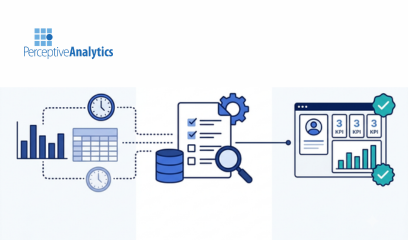
IntroductionIs your Power BI dashboard taking too long to load? Are users struggling to navigate reports, apply filters, or find the insights they need?These problems can reduce confidence in your reports and make it harder for teams to act on business data.A...
by sagarp4412@gmail.com | Oct 16, 2026 | Power BI
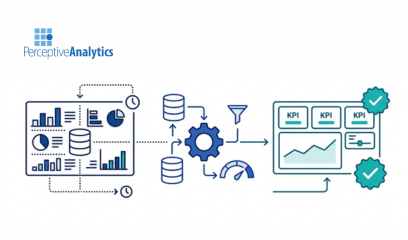
Power BI dashboards help organizations turn complex data into actionable business insights. But when reports load slowly, visuals take too long to respond, or users struggle to find the information they need, even a well-designed dashboard can lose its value.Power BI...
by sagarp4412@gmail.com | Oct 7, 2026 | Power BI
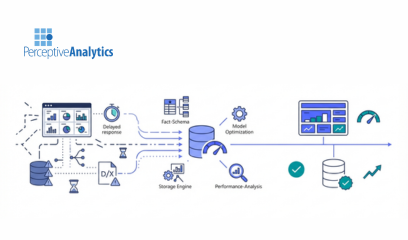
Slow Reports Are Rarely Created Inside the ReportA slow Power BI report rarely begins with an inefficient DAX measure or a cluttered dashboard. By the time a visual takes ten seconds to load, the conditions that caused the delay have often been building for weeks or...
by sagarp4412@gmail.com | Sep 30, 2026 | Power BI
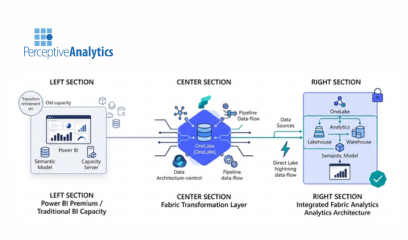
What is the difference between Microsoft Fabric and Power BI Premium?The biggest difference is scope.Power BI Premium per-capacity was primarily a capacity-based way to run Power BI workloads at enterprise scale.Microsoft Fabric is a broader analytics platform that...
by sagarp4412@gmail.com | Sep 30, 2026 | Power BI
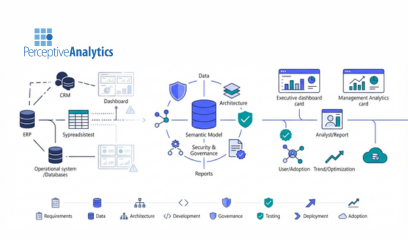
What are the steps to implement Power BI across an organization?A successful Power BI implementation is more than connecting a data source and building dashboards.A practical implementation roadmap looks like this:Define business requirementsAssess data sources and...
by sagarp4412@gmail.com | Sep 30, 2026 | Power BI
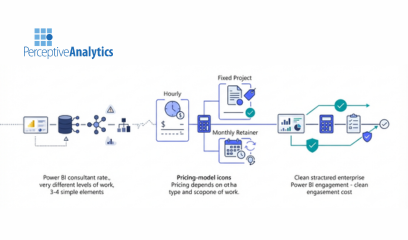
How much does a Power BI consultant cost in the US?There isn’t one standard Power BI consulting rate.For US-market engagements in 2026, publicly available pricing indicates a broad range. One recent market guide places typical Power BI consulting rates at...

Recent Comments